
What to Expect During Your Professional Flooring Installation Project
Embarking on a professional flooring installation project can be both exciting and challenging. Whether you're upgrading a single room or renovating your entire home, understanding the installation process helps you prepare for a successful transformation. Hiring a professional flooring service ensures that materials are handled correctly, surfaces are properly prepared, and installation techniques meet industry standards. From the initial consultation to the final inspection, each stage requires careful planning and attention to detail. This article explores the essential steps involved in professional flooring installation, helping homeowners understand what to expect throughout the project.
Understanding Your Flooring Needs and Preferences
The first step in any flooring project involves identifying your specific needs, preferences, and expectations. Consider the room's primary function, daily foot traffic, and exposure to moisture. Kitchens and entryways typically require durable materials, while bedrooms may benefit from softer, more comfortable surfaces. Your preferred colors, textures, and patterns should also complement your home's existing interior design.
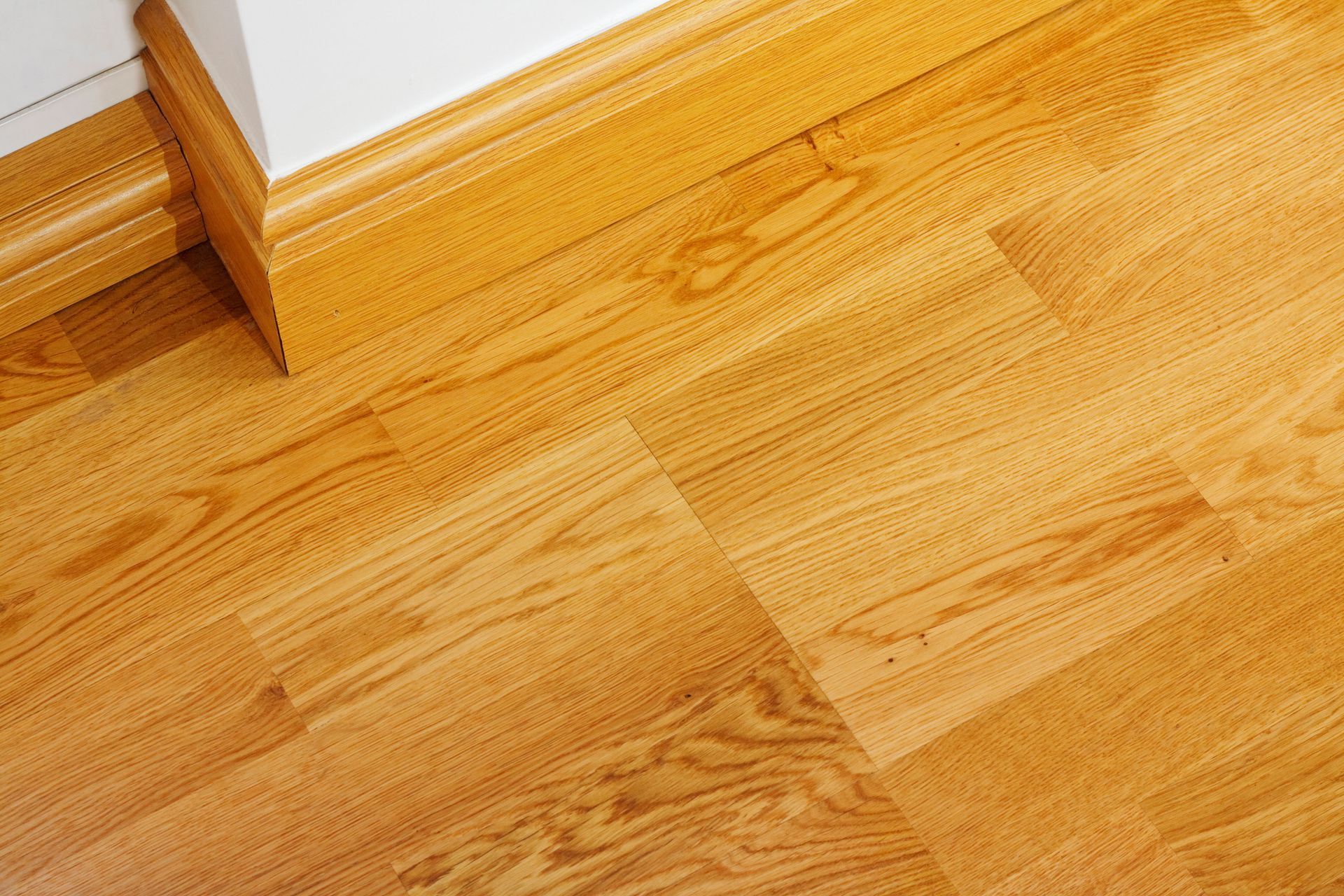
According to NKBA | KBIS, wood flooring is popular among 94% of respondents, demonstrating its enduring appeal in residential design. However, hardwood isn't necessarily suitable for every environment. Homeowners should consider lifestyle factors, including children, pets, cleaning requirements, and long-term maintenance expectations. Consulting a professional flooring service can help determine which materials best accommodate these considerations.
Selecting the Right Flooring Materials
Choosing appropriate materials significantly influences your floor's appearance, durability, and maintenance requirements. Hardwood provides natural beauty and can often be refinished, while laminate offers an affordable alternative with numerous design options. Luxury vinyl flooring provides moisture-resistant choices, making it particularly appealing for kitchens, bathrooms, and basements.
Ceramic and porcelain tiles are popular for their durability, water resistance, and relatively straightforward maintenance. Carpet offers warmth, sound absorption, and comfort, particularly in bedrooms and living areas. Environmentally conscious homeowners might also explore bamboo, cork, or responsibly sourced hardwood.
Before purchasing materials, consider installation requirements, manufacturer warranties, and compatibility with your existing subfloor. Comparing samples under different lighting conditions can also help you visualize how the finished flooring will complement your interior.
Establishing a Realistic Installation Budget
Creating a comprehensive budget helps homeowners manage expenses and avoid unexpected financial complications. Flooring installation costs depend on material selection, room dimensions, labor requirements, and project complexity. Additional expenses may include removing existing flooring, repairing damaged subfloors, purchasing underlayment, and installing transition strips.
Requesting detailed estimates from multiple professionals provides valuable insight into potential expenses. A reputable flooring service should explain labor charges, material costs, preparation requirements, and additional fees before beginning work.
Homeowners should also establish a contingency fund for unforeseen complications. Discovering moisture damage or uneven surfaces during preparation may require additional repairs. Prioritizing quality materials and experienced installation professionals can help minimize costly corrections and improve long-term value.
Evaluating Your Space and Taking Measurements
Accurate measurements are essential for ordering sufficient materials and developing an effective installation strategy. Professional installers typically evaluate room dimensions, architectural features, doorways, stairs, and existing floor conditions. These assessments help identify challenges that might otherwise delay installation.
During the evaluation, installers may inspect the subfloor for uneven surfaces, moisture problems, structural damage, or deteriorating materials. Addressing these issues before installation helps prevent premature wear and performance problems.
Measurements also determine the amount of underlayment, adhesive, molding, and other installation supplies required. Purchasing additional flooring material may be advisable to accommodate cutting waste and future repairs. Careful planning reduces unnecessary expenses while supporting a consistent finished appearance.
Choosing a Qualified Flooring Installation Professional
Selecting an experienced installer is essential for achieving dependable results. Research potential contractors by reviewing their experience, customer testimonials, project portfolios, and relevant credentials. Confirm that they meet applicable local licensing and insurance requirements.
Professional experience with your chosen material is particularly important because installation techniques differ between hardwood, laminate, tile, and carpeting. A qualified flooring service should understand manufacturer specifications, moisture testing procedures, and appropriate subfloor preparation methods.
Ask potential installers about their installation process, anticipated schedule, and approach to unexpected complications. References from previous customers can provide additional insight into workmanship, communication, and reliability. Choosing a professional who communicates clearly helps establish realistic expectations throughout the project.
Reviewing Estimates, Contracts, and Warranties
Before scheduling installation, carefully review the contractor's written estimate and service agreement. These documents should outline the project scope, selected materials, labor responsibilities, payment schedule, and anticipated completion date. Clarify whether furniture removal, disposal of old flooring, and post-installation cleanup are included.
Understanding warranty coverage is equally important. Flooring manufacturers may provide warranties covering specific product defects, while installers might offer separate workmanship guarantees. Review coverage limitations, maintenance requirements, and procedures for addressing installation concerns.
Ask questions about unfamiliar contract terms before signing. Maintaining copies of agreements, receipts, and warranty documents provides useful records if questions arise after installation. Clear documentation helps protect both homeowners and contractors from misunderstandings.
Preparing Your Home for Installation Day
Preparing your home before installation allows contractors to work efficiently while protecting your belongings. Remove furniture, decorations, electronics, and fragile items from designated work areas. Clear nearby hallways and establish accessible pathways for transporting equipment and materials.
Cover furniture in adjoining rooms to minimize exposure to construction dust. Depending on the project, installers may recommend additional protective coverings around doorways, cabinets, and existing surfaces.
Discuss furniture-moving responsibilities with your flooring service before installation day. Some companies provide this assistance, while others require homeowners to clear rooms independently.
Household members should also understand temporary access restrictions. Arrange safe accommodations for pets and children, particularly when installers are using cutting equipment, adhesives, or other potentially hazardous materials. Informing neighbors about anticipated noise can help maintain positive relationships during larger projects.
Removing Existing Flooring and Preparing the Subfloor
Once the installation area is cleared, contractors begin removing existing flooring when necessary. This process may involve lifting carpet, detaching baseboards, removing tiles, or dismantling old hardwood planks. Removal techniques depend on the existing materials and the condition of the underlying surface.
After removal, installers inspect the subfloor for damage, unevenness, and moisture concerns. Proper preparation may involve cleaning debris, leveling irregular surfaces, replacing damaged sections, or applying suitable moisture-control products.
Some flooring materials also require acclimation before installation. For certain wood products, manufacturers specify environmental conditions and preparation periods to help minimize dimensional changes. Following these instructions is essential for maintaining product performance and warranty eligibility.
Completing the Professional Flooring Installation
The installation process varies according to the selected material. Hardwood flooring may require fastening, adhesive application, or floating installation techniques. Laminate and certain vinyl products frequently use interlocking systems, while tile installations involve mortar, precise spacing, and grout application.
Professional installers carefully align materials, maintain appropriate expansion gaps, and create smooth transitions between adjoining rooms. They also work around door frames, cabinets, vents, and architectural features to achieve a consistent appearance.
A reliable flooring service follows manufacturer instructions and established installation practices to support durability and functionality. Depending on the materials involved, installation may take anywhere from a single day to several days or longer.
Working with a dependable flooring service can simplify the entire renovation process, from material selection through final inspection. With thoughtful preparation, professional installation, and consistent maintenance, homeowners can enjoy attractive, functional flooring that enhances their living spaces for years to come. Contact Louisiana Home Center today and learn more about our flooring service.


Share On: